

Building Your First Affiliate Marketing Website on WordPress
Starting Your Affiliate Marketing Journey on WordPress
It's a quiet but powerful fact that WordPress powers over 43% of all websites on the internet. This isn't by accident. It has become the go-to platform for creators and entrepreneurs for very good reasons. If you're just starting, you might be wondering what an affiliate marketing website even is. In simple terms, it's your own corner of the internet where you share recommendations for products you genuinely trust. When someone makes a purchase through your unique link, you earn a commission. That's it.
For anyone new to this, WordPress is the perfect starting point. It's incredibly user-friendly, so you don't need to be a tech wizard to get started. Think of it like digital building blocks. You also get access to endless customization through themes and plugins, allowing you to create a site that feels uniquely yours. Most importantly, there's a massive online community of fellow users and experts ready to help if you get stuck. This article will walk you through exactly how to build an affiliate website, covering how to choose a theme, install the right plugins, make your site fast, add your links, and create content that people want to read.
Choosing Your Website's Foundation

Think of your WordPress theme as the architectural blueprint for your house. It’s not just about the paint colour or decorations. It determines the entire layout, structure, and how people experience your space. Choosing the right theme from the start is foundational for your long-term success because a poor choice can lead to technical headaches and a frustrating experience for your visitors. A great theme isn't just about looking good, it's about performing well.
When you're searching for a theme, there are three non-negotiable qualities to look for:
- Lightweight and Fast: A website that loads quickly keeps visitors engaged. We've all clicked away from a page that took too long to appear. Search engines like Google also favour fast sites, so this directly impacts your ability to get found.
- Mobile-Responsive: Most people will find your site on their phones. Your website must look and work perfectly on any screen size, from a small smartphone to a large desktop monitor.
- Easily Customizable: You need the flexibility to create a unique brand identity without having to write a single line of code. A good theme gives you control over colours, fonts, and layouts.
Themes like Astra or GeneratePress are consistently recommended as some of the best wordpress themes for affiliate marketing for a reason. They are built for speed, are incredibly reliable, and work seamlessly with the other tools you'll need. Investing a little time in choosing a solid theme now saves you from countless problems later and ensures your visitors have a positive experience, which is essential for building trust and earning commissions.
Equipping Your Site with Essential Tools
If your theme is the blueprint, then plugins are the essential tools and appliances that bring your website to life. Think of them as apps for your site that add specific features. While there are thousands of plugins available, a beginner only needs a handful of key tools to get started. These are the essential wordpress plugins for affiliates that will handle the most important jobs on your new site.
Managing Your Affiliate Links
Your affiliate links can often be long, messy, and a little intimidating to click. This is where a link management plugin comes in. It "cloaks" these URLs, turning them into short, clean, and branded links that look far more trustworthy. A user-friendly tool like ClickWhale is perfect for this, as it not only tidies up your links but also helps you track how many clicks each one gets, giving you valuable insight into what's working.
Showcasing Products Effectively
Simply listing a product isn't enough. You need to present it in an attractive and helpful way. For Amazon affiliates, a plugin like AAWP is incredibly powerful. It allows you to create dynamic product boxes, best-seller lists, and comparison tables that automatically update with the latest prices and information. This saves you time and ensures your audience always sees accurate details.
Guiding Your SEO Efforts
Search Engine Optimization (SEO) is how people find your website on Google. An SEO plugin like Rank Math or Yoast SEO acts as a helpful checklist right inside your WordPress editor. It guides you on how to optimize your content for search engines without needing to be an expert. According to Search Engine Journal, using a dedicated SEO plugin is one of the most effective ways to ensure your content is optimized for higher search rankings. As you grow, you can explore more tools and strategies on Affiliate Marketing Hackers.
| Plugin Category | Primary Function | Beginner-Friendly Example |
|---|---|---|
| Link Management | Shortens, cloaks, and tracks affiliate links to build trust and monitor performance. | ClickWhale |
| Product Showcase | Creates attractive, dynamic product boxes and comparison tables for reviews. | AAWP (for Amazon) |
| SEO | Provides a checklist and guidance to optimize content for search engines. | Rank Math or Yoast SEO |
| Caching | Creates saved versions of your pages to dramatically improve website speed. | WP Rocket or W3 Total Cache |
| Security | Protects your site from malware, spam, and unauthorized access. | Wordfence Security |
Optimising Your Website for Speed
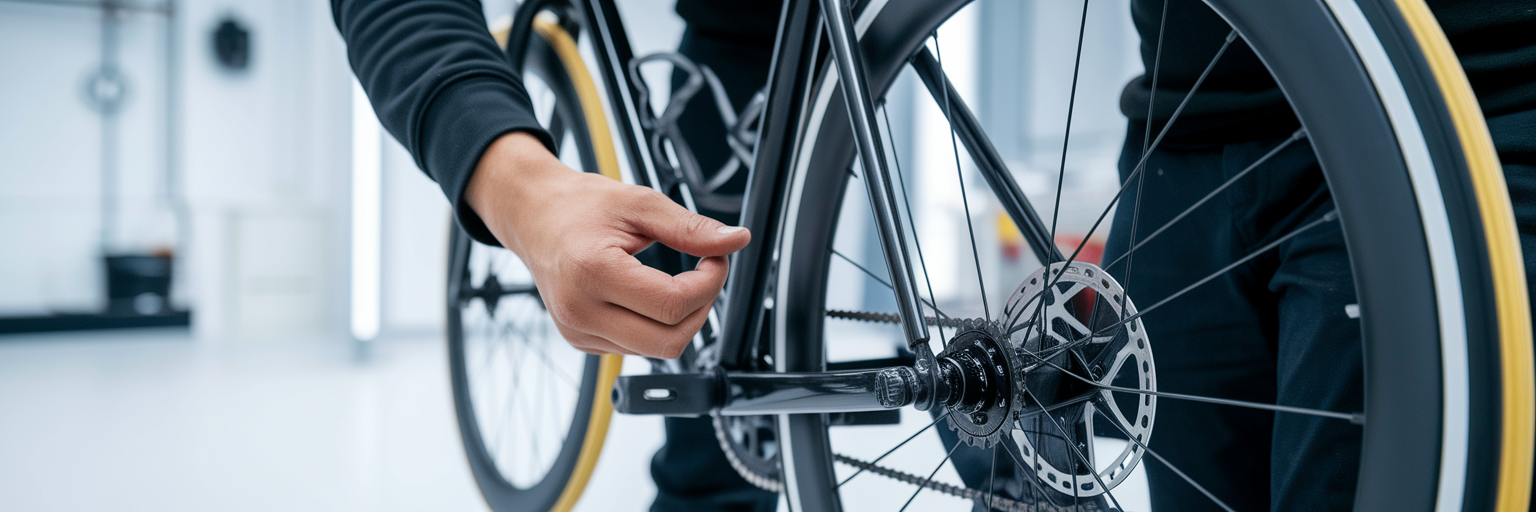
Website speed is not a technical luxury, it's a fundamental requirement. A slow website will lose visitors before they even have a chance to read your content. It’s that simple. Google has also confirmed that site experience signals, known as Core Web Vitals, are a factor in search rankings, making speed a non-negotiable for SEO. One of the easiest ways to improve speed is with caching. A caching plugin essentially takes a "snapshot" of your page and saves it. When a visitor arrives, it shows them this saved copy instantly instead of rebuilding the page from scratch every time.
However, the biggest speed culprit for most beginners is images. Large, unoptimised photos can bring your site to a crawl. Here are three simple steps to take before you upload any image:
- Compress images before uploading: Use a free online tool to shrink the file size of your images. This can often reduce the size by more than half without any noticeable loss in quality.
- Choose the right format: For most photos, JPEG is the best choice. For graphics or images that need transparency, use PNG. The modern WebP format offers a great balance of quality and small file size.
- Don't upload oversized images: If your blog's content area is 800 pixels wide, there's no need to upload a 4000-pixel-wide image. Resize your images to the exact dimensions you need.
To see how your site is performing, you can use a free tool like Google PageSpeed Insights. It will test your website and give you a report on what might be slowing it down, empowering you to make targeted improvements.
Weaving Affiliate Links into Your Content
Now that your site is set up, it's time to think about how to add affiliate links to wordpress. The guiding principle here should always be to add value, not to spam your readers with links. Your recommendations should feel like a natural and helpful part of the conversation. When a link feels forced, it breaks trust. When it feels like a genuine suggestion, it builds it.
There are several effective ways to place your links. You can use contextual in-text links, for example, "this particular feature makes the [product name] an ideal choice for beginners." You can also use clear call-to-action buttons within a product review or comparison table. Another great strategy is to create a dedicated "Resources" or "Tools I Use" page that curates a list of all your recommended products in one place. Using a link manager like ClickWhale is especially helpful here, as it keeps your links looking clean and professional, which can improve the chances of someone clicking them.
The most important part of this process is transparency. You must have an affiliate disclosure on your site that clearly states you may earn a commission from your recommendations. This is not only a legal requirement in many places, but it's also the foundation of an honest relationship with your audience. This ethical approach is a core principle we teach at Affiliate Marketing Hackers. Being upfront about your affiliate partnerships is a sign of respect for your readers, and it's the only way to build a sustainable, long-term business.
Attracting Visitors with Content and SEO

Your website is built, but now you need to drive traffic to affiliate website. Your content is the engine that will make this happen. The key is to focus on "user intent," which is a simple idea: create content that gives people the exact answers they are searching for. If someone is looking for the "best running shoes for flat feet," your article should deliver a comprehensive, helpful answer to that specific question.
To help search engines understand your content, you need to learn the basics of on-page SEO. This isn't as complicated as it sounds. Your SEO plugin will guide you, but you should know what these elements are:
- Meta Title: The title of your page that appears in Google search results.
- Meta Description: The short summary that appears under the title in search results.
- Headers (H1, H2, H3): These organize your content and tell search engines what the main topics and subtopics are.
Certain types of content work exceptionally well for affiliate marketing. Consider creating:
- In-depth Product Reviews: A detailed, honest look at a single product.
- 'Best Of' Listicles: For example, "The 5 Best Coffee Makers Under $100."
- How-To Guides: Step-by-step tutorials that solve a problem using a product you recommend.
- Comparison Articles: Pitting two or more popular products against each other to help readers choose.
Finally, think long-term. By consistently publishing high-quality content about your chosen niche, you build "topical authority." This signals to both users and search engines that you are a trusted resource, which leads to better rankings and more traffic over time. For more advanced techniques on content creation and SEO, explore the resources available at Affiliate Marketing Hackers.
Your Next Steps to Affiliate Success
You've just learned the five pillars of building a high-performing affiliate website: a solid theme, essential plugins, a fast site, smart link integration, and valuable content. This is your foundation. Remember that building a successful affiliate site is a marathon, not a sprint. It requires patience, a commitment to learning, and a willingness to experiment to see what works for your audience.
Don't get discouraged if you don't see results overnight. Every article you publish, every tweak you make to your site, is a step forward. You are building a valuable digital asset from the ground up. Keep learning, keep creating, and be proud of the work you are putting in. Ready to continue your journey? Join our community of builders and learners at Affiliate Marketing Hackers.